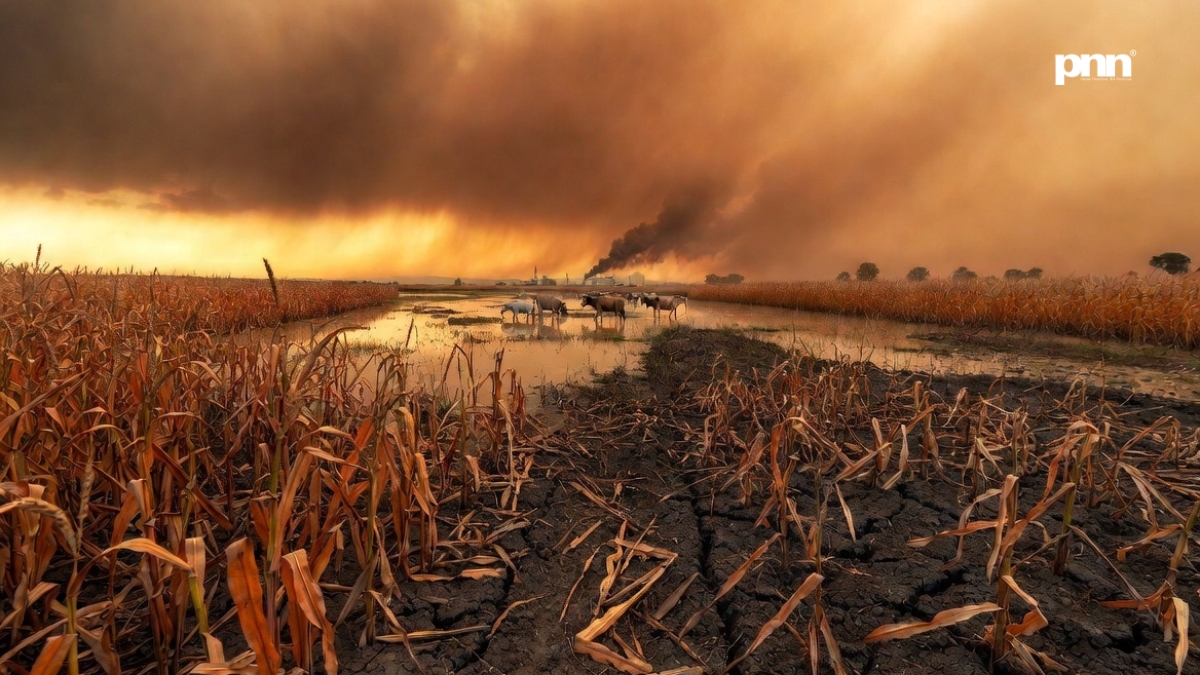
Climate change isn’t off in the future anymore—it’s already changing what we eat and how we get our food. Think about those cornfields in the Midwest, browned and brittle from heat, or rice paddies in Asia washed out after yet another flood. Honestly, the global food system isn’t just stressed. It’s on the edge. Farmers used to read the seasons like a familiar book, but now every year is a gamble. One savage storm or a sudden heatwave can wipe out months of effort in a blink. And it’s not just crops—livestock, grocery prices, even what you eat for dinner all get tossed around in the chaos.
Here’s what we know for sure: agriculture’s incredibly touchy. Just a small nudge—warmer air, less rain—can set off shockwaves. When temperatures rise, the soil dries out fast, and rain struggles to keep up. Folks talk about plants growing faster when there’s more carbon in the air—the “fertilization effect”—but whatever gains there are usually drown under all the drought, heat stress, and drops in nutrition.
So, where does it really hurt?
- Drought and heatwaves aren’t just showing up more often—they’re meaner. In 2012, the U.S. drought knocked corn and soy yields to the floor. Around the world, wheat, barley, and maize harvests are already down 4–13% compared to cooler years.
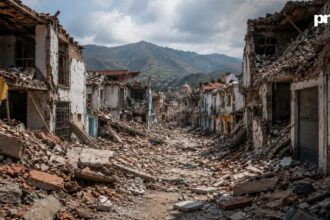
- Floods are hitting hard, too. Heavy rains don’t just hydrate—they rot roots, spread disease, and strip away good soil. Between 2023 and 2025, farmers from Tanzania to parts of Europe got slammed.
- Pests and crop diseases love the heat, and they’re spreading. It’s harder than ever for farmers to keep yields up or prices steady.
- Even the nutrition isn’t safe. Extra carbon means rice and wheat now hold less protein, zinc, and iron. So your food fills you up, but it doesn’t nourish you the same way.
It gets worse when you look at the numbers. For every degree the planet heats up, people lose about 120 calories each day—close to 4.4% of their daily needs. By 2050, global crop yields are set to drop 8%. Keep heading down this path to 2100, and we’re talking a 24% loss if emissions stay high. Farms near the Equator are feeling it first. Maize and wheat are already shrinking. Cereal prices could climb 1% to 29% by 2050, depending on where you live. That’s not just a spike at the checkout—that’s up to 183 million more people forced into hunger.
Extreme weather keeps wrecking harvests left and right—over 140 big disasters in just a few years have battered rice, corn, and coffee crops. U.S. agriculture usually brings in $300 billion a year, but a single nasty heatwave has wiped out over a billion in some years. Higher prices from climate shocks could push up inflation by several percentage points in North America long before 2050 even arrives.
And the hardest truth? Even when the world technically grows “enough” food, it doesn’t mean everyone eats. Already, about 821 million people don’t get enough, and every climate disaster just widens that gap.
This isn’t just crunching numbers. One year’s brutal weather in North Carolina slashed corn yields by 41%. In 2022, India lost up to 35% of its wheat to heat. Across sub-Saharan Africa, where maize is everything, harvests have dropped 5–20% in some regions as the world warms.
It’s not just plants, either. Livestock is struggling—hot weather means cows produce less milk, animals face health and fertility problems, and farmers lose billions. Fishermen are in rough waters, too; ocean acidification and warmer seas are tipping global fish stocks off balance.
Are folks giving up? Not even close. Farmers are hustling for solutions: planting drought-resistant crops, beefing up irrigation, throwing down cover crops to heal their soil, watching the weather like hawks. Some are turning to agroforestry or focusing on rebuilding their soil for the long run. But honestly, without backup or big resources, it’s not enough—especially for small farmers just getting by.
So, what actually moves the needle? Smarter policies, strong investments in infrastructure, seriously cutting food waste (which is about a third of all food made), and actually slashing farm emissions. It matters—agriculture is about a third of all greenhouse gases.
If we can keep warming to 1.5 or 2 degrees Celsius, the worst impacts stay at arm’s length. Cross that line and feeding 9 or 10 billion people by 2050 gets dicey. Rising prices, bare shelves, smaller harvests—they stop being warnings and start being reality if we do nothing.
Bottom line? Climate change is right there on our dinner tables, daring us to look away. Supporting sustainable farming, wasting less, demanding actual science-backed action—these aren’t luxury options anymore. They’re what stand between us and empty plates. Those dry fields and bare markets you hear about? They’re big, flashing warning signs. Ignore them, and we do it at our own risk.
All of this comes straight from the latest research and reports from people on the ground. Climate impacts might look different everywhere, but nobody gets a free pass. There’s no time left to look away.